en
en Español
 Русский
 عربي
عربي Português
 Italiano
 Français
 Türkçe
 Tiếng Việt
 แบบไทย
Understanding Glass Breakage: NiS Inclusions and Risk Control in Building Glazing

What Causes NiS-Related Glass Breakage?
NiS inclusions are microscopic impurities formed during the float glass production process.
During tempering, these inclusions remain in a metastable state. Over time, they gradually transform, leading to volume expansion and internal stress release, which can result in sudden glass breakage.
Unlike external impact, this type of failure:
- Occurs without warning
- Leaves no visible impact point
- Is entirely internal in origin
Why It Matters for Glass Processing
Although NiS inclusions are rare, they pose a significant risk in applications such as:
- Curtain wall systems
- High-rise building glazing
- Large-sized tempered glass panels
In these scenarios, even a small failure probability can lead to safety risks and maintenance costs.
Risk Characteristics
- Occurrence is random and difficult to predict
- Most failures happen within several years after installation
- Influenced by inclusion size, location, and stress distribution
This makes quality control during glass processing especially important.
How to Reduce the Risk?
Heat Soak Testing (HST)
Heat soak testing is currently the most effective method to reduce NiS-related risks.
By reheating tempered glass under controlled conditions, potential breakage panels can be eliminated before installation.
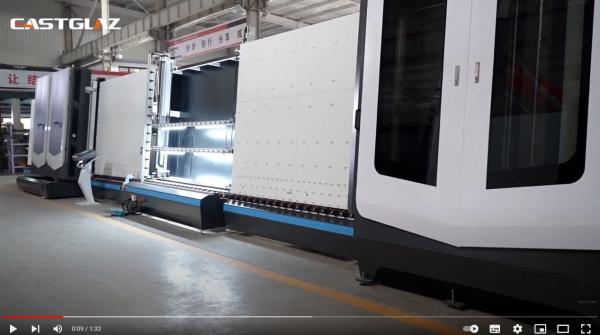
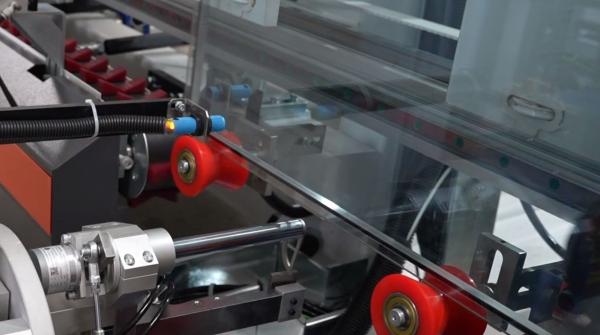
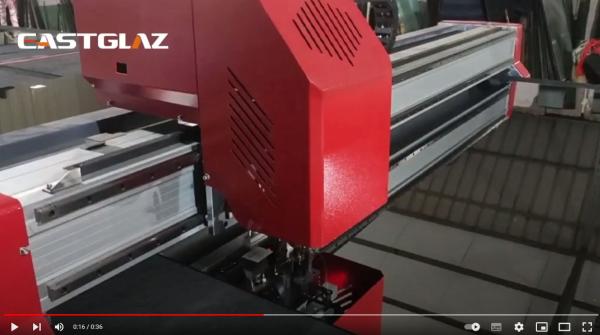
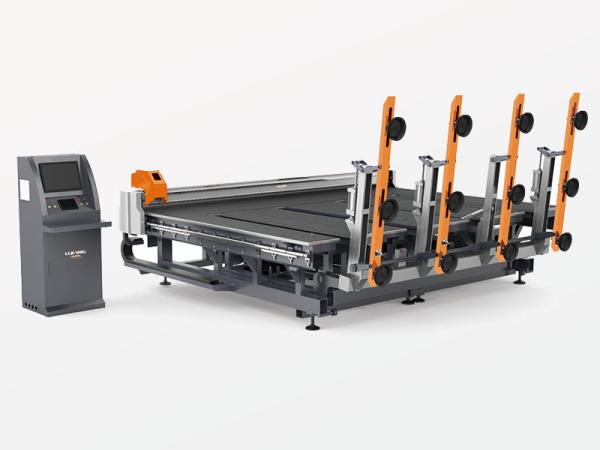
Stable and Efficient Glass Processing Equipment
Consistent processing quality plays a key role in minimizing risks.
Advanced glass machinery helps ensure:
- Uniform tempering and stress distribution
- Stable washing and drying performance
- Reduced surface defects before processing
- Reliable handling of large and complex glass panels
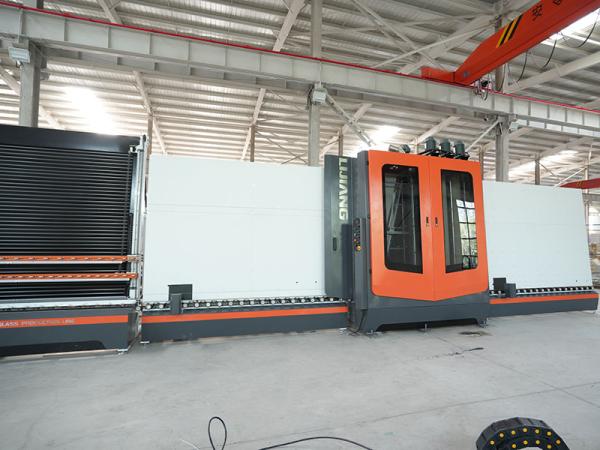
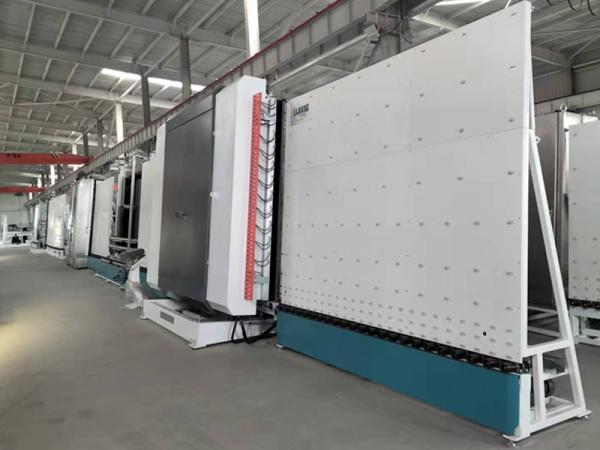
Integrated Production Line Solutions
For modern glass factories, a well-designed production line can significantly improve overall quality control.
From glass cutting → washing → tempering → insulating glass production, each step must be optimized to reduce hidden risks.
Industry Insight
While NiS inclusions cannot be completely eliminated, their impact can be effectively controlled through:
- Proper testing processes
- Reliable equipment performance
- Standardized production workflows
For glass processors and façade contractors, this means lower breakage rates, higher product reliability, and improved project safety.
Conclusion
NiS inclusions remain a key factor in spontaneous glass breakage, but with the right combination of technology, equipment, and process control, the risk can be minimized.
As the demand for high-performance glazing continues to grow, investing in advanced glass processing solutions is essential for long-term quality and competitiveness.