en
en Español
 Русский
 عربي
عربي Português
 Italiano
 Français
 Türkçe
 Tiếng Việt
 แบบไทย
Advanced Simulation Drives Innovation in Laminated Windshield Design
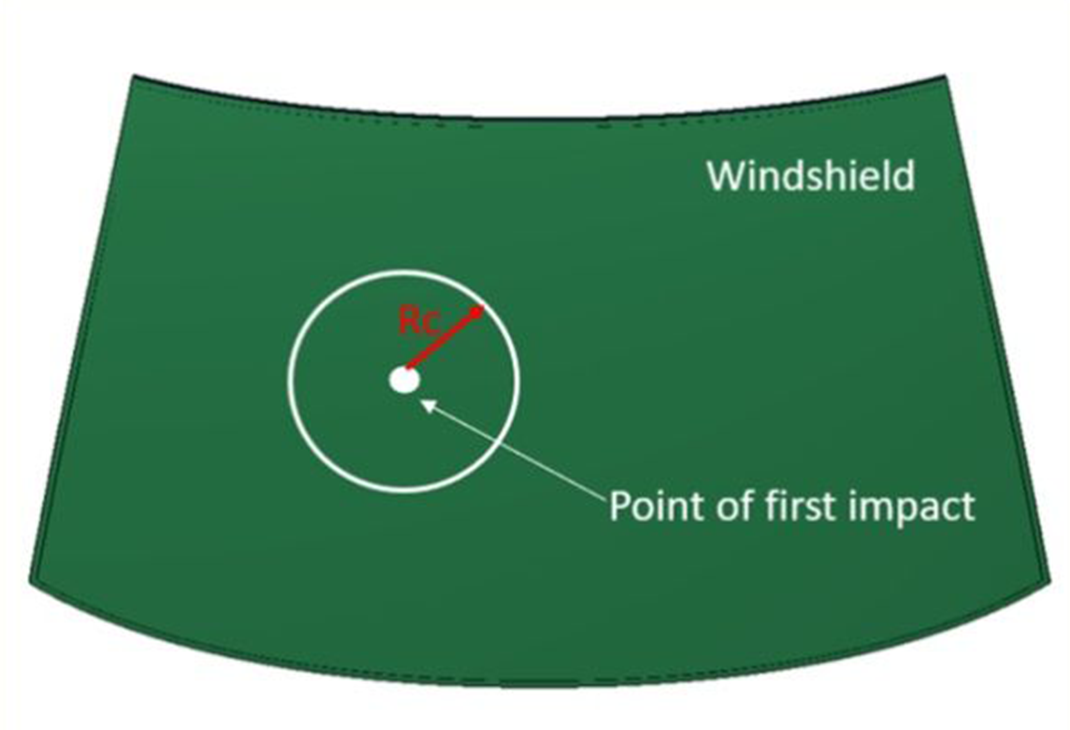
With the rapid evolution of automotive safety standards, laminated windshield performance has become a critical focus for manufacturers. Recent research highlights how advanced simulation technologies are transforming the way engineers evaluate and optimize windshield structures across varying thicknesses, glass compositions, and design configurations.
Simulation: A Powerful Tool for Windshield Performance Optimization
Modern windshields are complex laminated systems, typically composed of two glass layers bonded with a polymer interlayer such as PVB. This structure enables energy absorption, impact resistance, and passenger protection during collisions.
The latest study introduces a finite element analysis (FEA)-based simulation approach that allows engineers to accurately predict windshield behavior under impact conditions. By applying nonlocal failure criteria based on stress and energy thresholds, the model can simulate key performance indicators such as:
- Head impact response (HIC values)
- Deceleration curves
- Fracture patterns
Importantly, these simulation results have been validated against real-world test data, demonstrating high accuracy across different windshield geometries and material configurations.
The Impact of Thickness and Glass Composition
One of the key findings is the strong influence of laminate thickness and glass composition on overall performance:
- Increased glass thickness improves load-bearing capacity and impact resistance
- Different glass strengthening methods significantly affect fracture behavior
- Asymmetric laminate structures can be optimized for specific safety requirements
Studies also confirm that thicker laminated glass generally results in lower deformation and improved structural integrity under impact loads.
Simulation Enables Faster Innovation and Cost Reduction
Traditionally, windshield development relied heavily on physical testing, which is time-consuming and costly. With advanced simulation:
- Design iterations can be completed faster
- Material combinations can be evaluated efficiently
- Product development costs are significantly reduced
Simulation also allows engineers to explore unconventional designs, such as curved or asymmetric windshields, without extensive prototyping.
What This Means for Glass Machinery Manufacturers
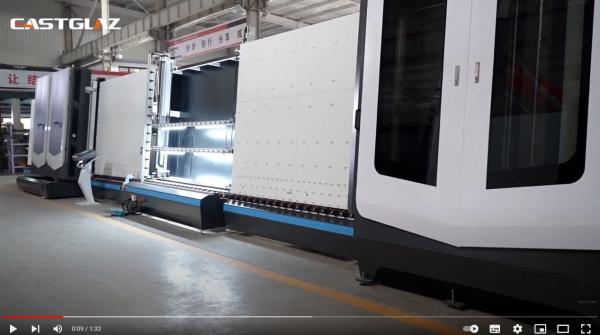
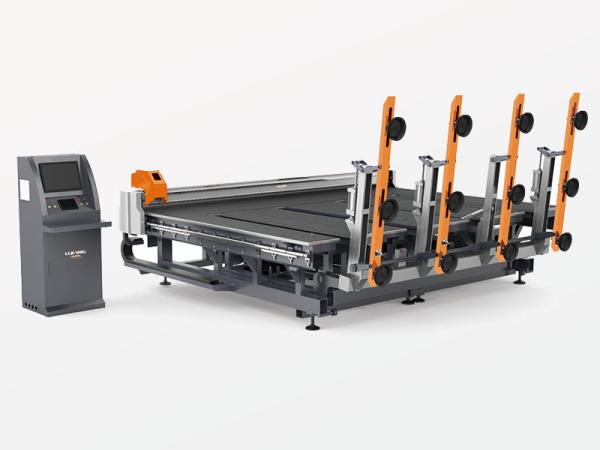
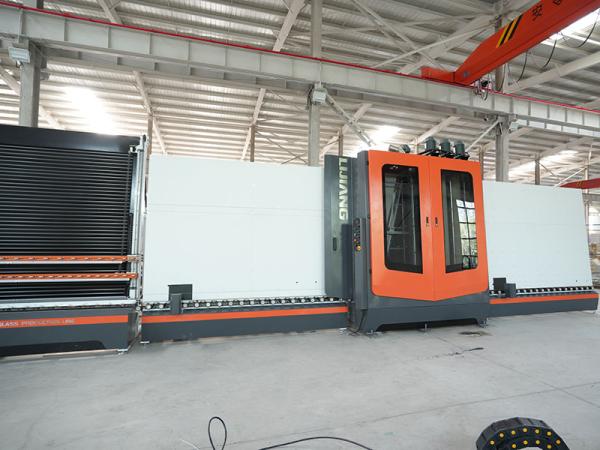
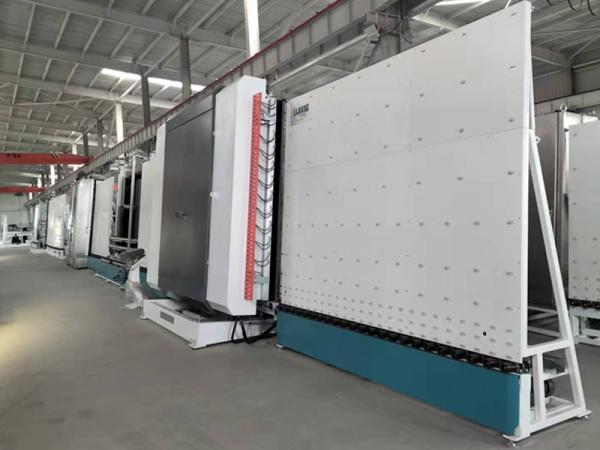
For insulating glass and laminated glass equipment suppliers, these advancements highlight the growing demand for:
- High-precision lamination lines
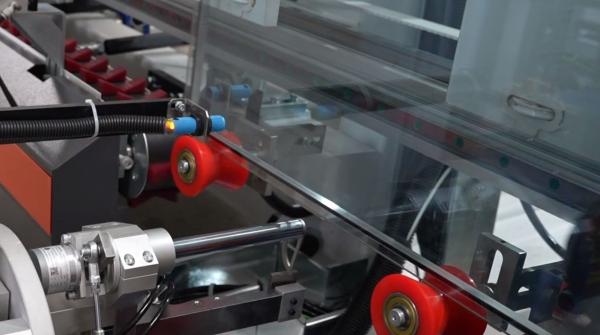
- Flexible processing for varying glass thicknesses
- Advanced quality control systems
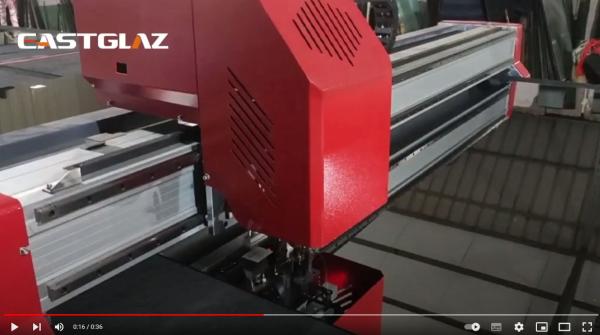
As windshield structures become more complex, manufacturing equipment must deliver greater accuracy, consistency, and automation to meet evolving industry standards.
Conclusion
Simulation technology is reshaping the future of laminated windshield design. By enabling precise performance prediction across diverse materials and structures, it supports safer, more efficient, and more innovative automotive glass solutions.
For glass machinery manufacturers, staying aligned with these technological trends is essential to supporting the next generation of high-performance laminated glass production.