en
en Español
 Русский
 عربي
عربي Português
 Italiano
 Français
 Türkçe
 Tiếng Việt
 แบบไทย
Why Your IG Unit Has Sealant Leakage (Causes + Solutions)

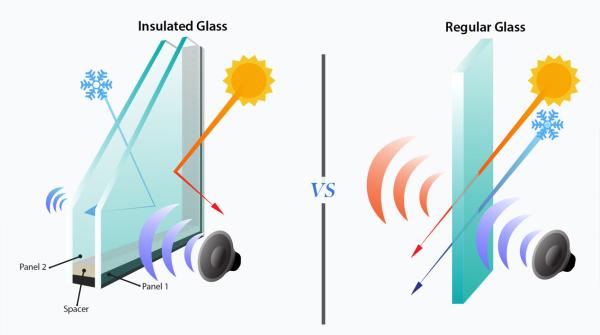
Insulating glass (IG) units play a critical role in modern architectural glazing, providing superior insulation, energy efficiency, and long-term durability. However, one of the most common failures during production and installation is sealant leakage. Sealant overflow, uneven sealing, or weak bonding not only affects the appearance of IG units but also leads to reduced performance, moisture penetration, and early failure.
This article explains why sealant leakage happens, the engineering causes, and the practical solutions—including automated equipment that can significantly reduce human error and improve sealing consistency.
1. What Is Sealant Leakage in IG Units?
Sealant leakage refers to the uncontrolled overflow or insufficient bonding of primary or secondary sealants (such as butyl, polysulfide, silicone, or polyurethane).
This problem typically occurs during:
Spacer sealing
Dual-seal application
Pressing in the IG assembly process
Long-term service under UV or temperature cycling
If not addressed, leakage causes:
Fogging or condensation
Loss of insulation performance
Edge defects
Reduced IG lifespan
2. Main Causes of IG Sealant Leakage
2.1 Improper Butyl Application
The butyl seal is the first defense against moisture vapor. Problems arise when:
Temperature of butyl extruder is unstable
Pressure is too high/low
Coating thickness is inconsistent
Result:
Sealant extrusion becomes uneven, causing gaps or overflow during pressing.
Solution:
Use a stable Automatic Insulating Glass Butyl Extruder for accurate temperature and pressure control.
2.2 Spacer Frame Deformation
If the spacer frame is not straight or has irregular corners:
Sealant cannot fill gaps properly
Pressing machine cannot achieve uniform pressure
Result:
Leakage appears along weak edges.
Solution:
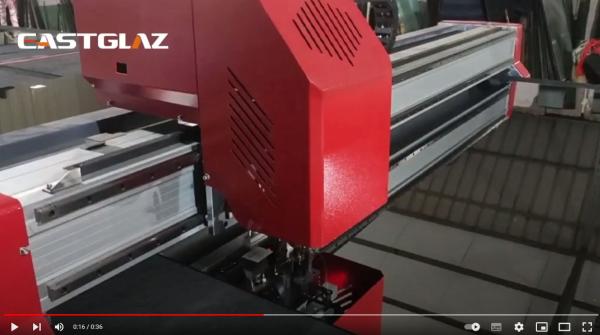
Use a high-precision Automatic Spacer Bending Machine to ensure perfect 90° and 135° corners.
2.3 Poor Pressing Accuracy
If the IG pressing section cannot maintain stable pressure or alignment:
Butyl is squeezed out unevenly
The secondary seal cannot form a complete bonding line
Main reasons:
Pressing plates not parallel
Air-suction not sufficient
Glass thickness mismatch
Solution:
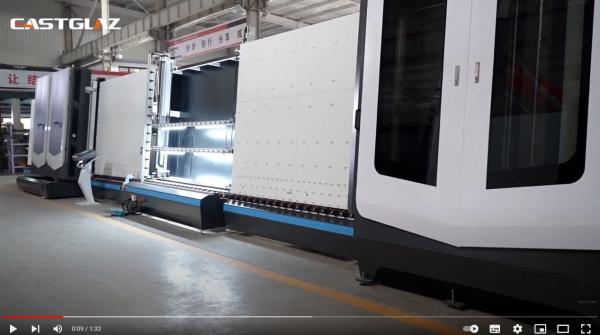
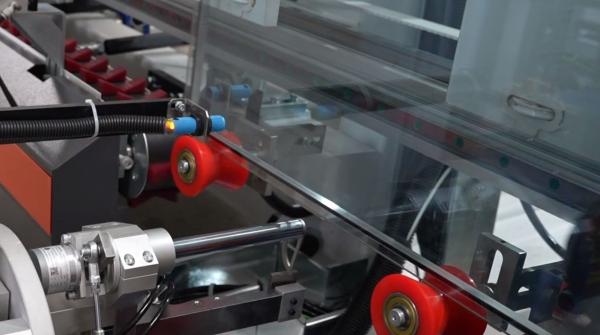
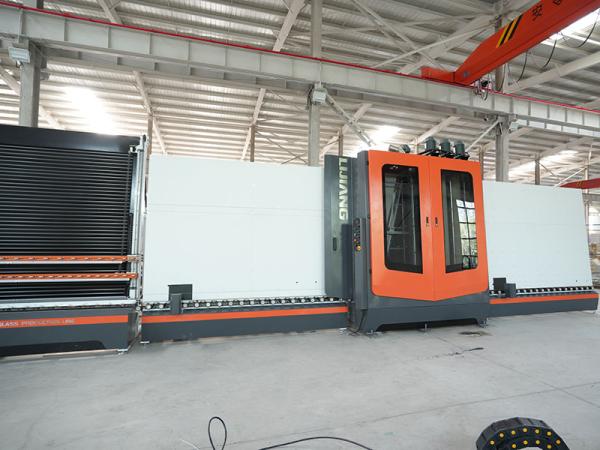
Use an Automatic IG Production Line with Servo Pressing System for accurate control.
2.4 Incorrect Secondary Sealant Mixing
Two-component sealants (such as silicone or polysulfide) require precise ratio mixing.
Problems come from:
Incorrect A/B ratio
Clogged mixer
Unstable pump pressure
Result:
Sealant becomes too soft, too hard, or unbonded — leading to leakage over time.
Solution:
Upgrade to an Automatic Two-Component Sealant Extruder for accurate mixing.
2.5 Poor Environmental Conditions
During sealing:
Temperature below 10°C
Humidity too high
Dust contamination
Oil or fingerprints on glass edges
These all reduce adhesion quality.
Solution:
Ensure cleanroom standards and proper temperature control.
2.6 Operator Mistakes
Manual sealing or untrained operators often cause:
Over-extrusion
Sealant gaps
Uneven sealing speed
Wrong sealant type
Solution:
Introduce automation to reduce human variability.
3. Solutions to Prevent IG Sealant Leakage
✔ Use Intelligent IG Production Equipment
Automated systems improve:
Sealant uniformity
Ratio mixing accuracy
Pressing pressure control
Production stability
Recommended machines (with internal links below):
Automatic Butyl Extruder Machine
Automatic Spacer Bending Machine
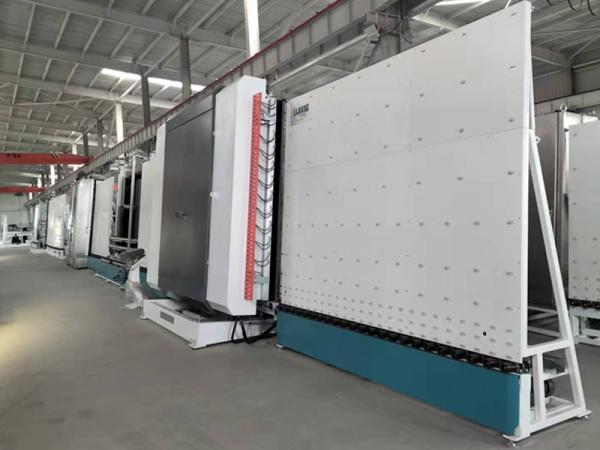
Vertical IG Production Line with Servo Pressing
Automatic Two-Component Sealant Extruder
✔ Maintain Equipment Regularly
Regular maintenance prevents pressure loss, temperature issues, and mixer blockage.
✔ Use Compatible Sealants
Ensure sealant type matches the IG process and regional climate requirements.
✔ Strengthen Quality Inspection
Inspection points:
Butyl continuity
Spacer alignment
Secondary seal uniformity
Pressing plate parallelism
Moisture vapor transmission testing
4. Recommended Equipment (Internal Links)
以下内链格式可直接使用:
Automatic Butyl Extruder Machine
https://www.eastglassmachine.com/products/butyl-extruderAutomatic Spacer Bending Machine
https://www.eastglassmachine.com/products/spacer-bending-machineVertical Automatic Insulating Glass Production Line
https://www.eastglassmachine.com/products/insulating-glass-production-lineTwo-Component Sealant Extruder
https://www.eastglassmachine.com/products/sealant-extruder
5. Conclusion
Sealant leakage in IG units is preventable. By using stable automated equipment, maintaining proper production parameters, and ensuring correct sealing techniques, manufacturers can significantly reduce leakage issues and extend the service life of insulating glass units.
Reliable sealing is essential not only for product quality but also for the long-term energy performance of modern glazing systems.