en
en Español
 Русский
 عربي
عربي Português
 Italiano
 Français
 Türkçe
 Tiếng Việt
 แบบไทย
Why Energy-Efficient Automation Is Becoming Essential for Modern Glass Factories

Rising Energy Costs Are Changing Factory Decisions
Energy prices are rising across global manufacturing markets, putting increasing pressure on glass factories. Electricity consumption, compressed air usage, and heating systems now account for a significant share of production costs, especially in insulating glass manufacturing.
For glass processors, the key question is no longer whether to upgrade equipment, but how to reduce energy consumption without sacrificing productivity or quality. As a result, energy-efficient automation is quickly becoming essential rather than optional.
Energy Waste in Traditional Glass Processing Lines
Many traditional glass processing lines were designed when energy costs were relatively low. These systems often suffer from:
High standby power consumption
Inefficient washing and drying systems
Manual handling that slows down production
Inconsistent sealing and gas filling performance
Over time, these inefficiencies lead to higher electricity bills, unstable product quality, and increased operational risks.
How Automation Improves Energy Efficiency
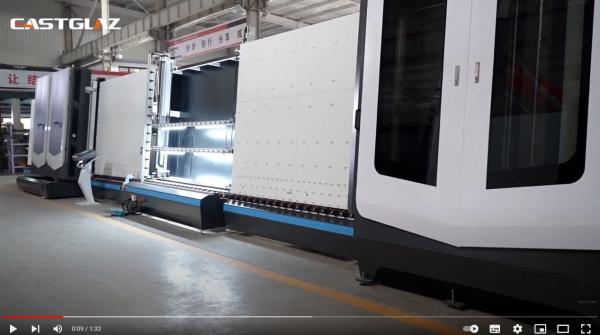
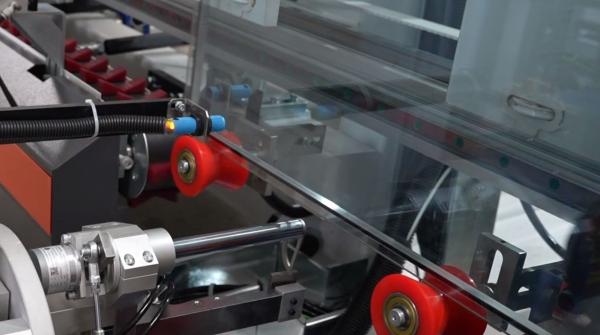
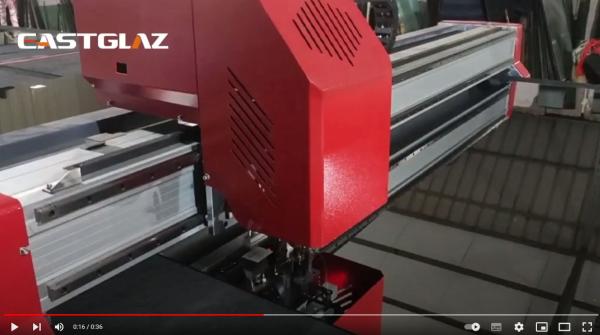
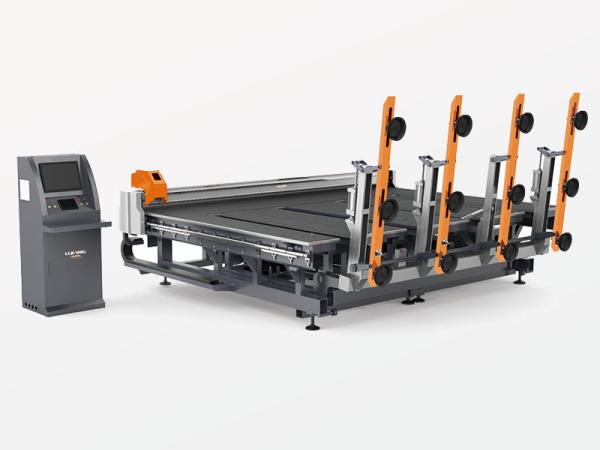
Modern automatic glass processing machines are engineered with energy optimization in mind. By integrating intelligent control systems and optimized workflows, automated lines significantly reduce unnecessary energy consumption.
Key improvements include:
Smart washing and drying control that adjusts power usage based on glass size and thickness
Continuous production flow that minimizes stop-start energy losses
Precise sealing and gas filling that reduces rework and scrap
Reduced manual intervention, shortening production cycles
These features help glass factories lower energy consumption per square meter while maintaining stable output.
Insulating Glass Production: A Key Area for Energy Savings
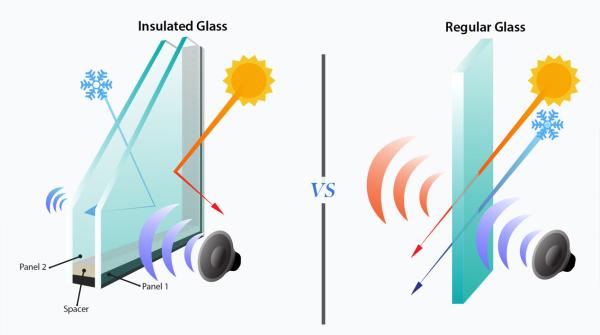
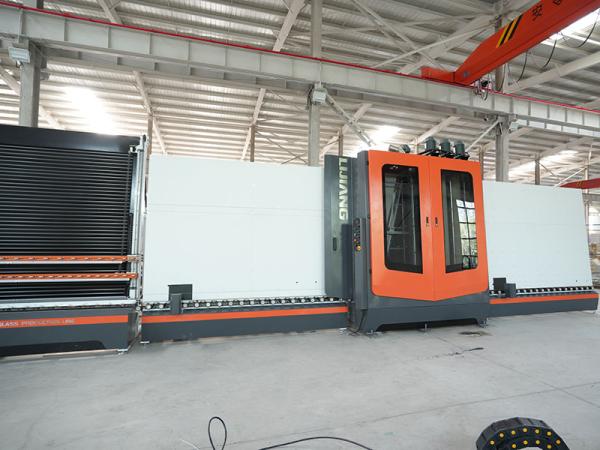
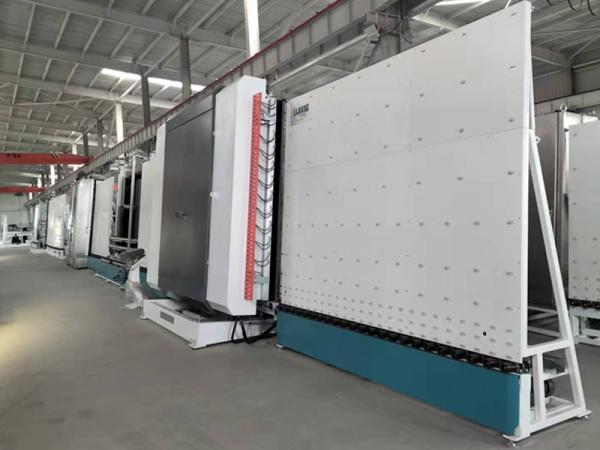
Insulating glass production lines consume more energy than most other glass processes due to washing, drying, sealing, and gas filling requirements. Automation plays a crucial role in optimizing these stages.
Automatic insulating glass lines ensure:
Stable spacer positioning and sealing quality
Accurate gas filling for improved thermal performance
Consistent IGU quality that meets international standards
By reducing defects and reprocessing, factories can save both energy and materials.
Automation Supports Sustainable Manufacturing Goals
Energy efficiency is now closely linked to sustainability and environmental responsibility. Automated glass production lines help manufacturers:
Lower carbon emissions per unit
Reduce material waste
Improve overall resource utilization
These advantages are increasingly important as global markets move toward stricter energy and environmental standards.
Long-Term Benefits Beyond Energy Savings
While energy reduction is a major driver, automation also delivers broader benefits:
Lower labor dependency
Higher production capacity
Improved product consistency
Stronger competitiveness in international markets
For many glass factories, automated production lines offer a clear path to long-term stability and growth.
Conclusion: Automation Is the Future of Glass Manufacturing
As energy costs continue to rise, energy-efficient automation is becoming a strategic necessity for glass factories worldwide. Automatic glass processing and insulating glass production lines help manufacturers control costs, improve quality, and adapt to changing market demands.
Factories that invest in automation today are better prepared for tomorrow’s challenges — not only in energy consumption, but in productivity, sustainability, and global competitiveness.